Reverse balayage and lowlights both do the same basic job: they put darker tones back into hair that has become too light, flat or stripy. But they’re applied differently, they grow out differently, and they suit different people. If you’re weighing up reverse balayage against lowlights, the right choice depends on your length, how your colour has been built up, and how often you want to visit the salon.
We’re asked about both every week at our city centre salon. If you’re new to the technique, our guide to what reverse balayage is covers the basics, and our reverse balayage in Manchester service page shows how we approach painted colour. This post goes one step further and puts the two depth techniques side by side.
Reverse balayage vs lowlights: how they differ
Lowlights are fine strands of darker colour woven out of the hair and processed in foils. They usually run from close to the root right down to the ends, spread evenly through the head. The result is structured and even, with darker threads mixed through lighter hair. Because each strand is coloured from the root, there’s a clearer line as it grows, so lowlights tend to need refreshing sooner.
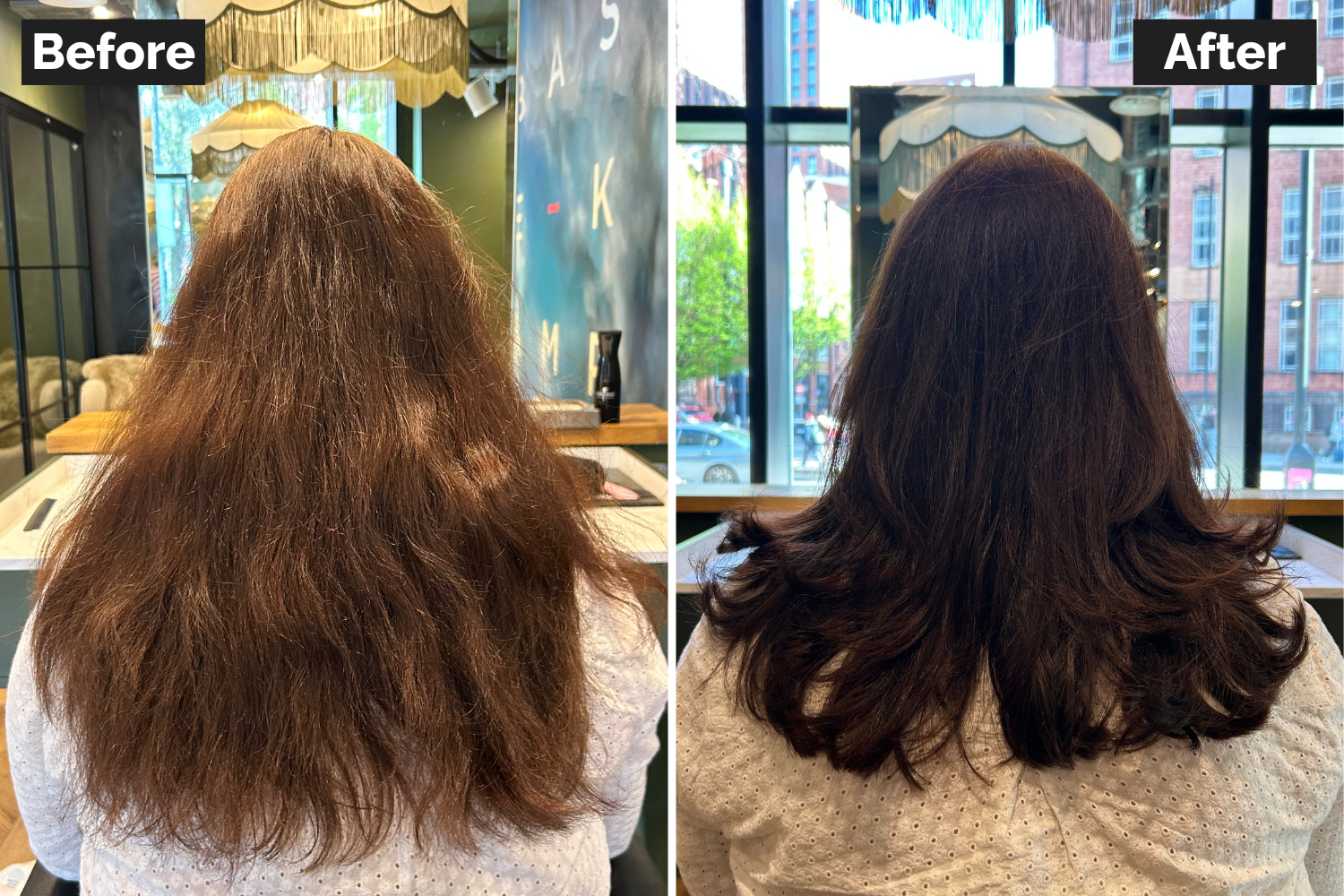
Reverse balayage is painted on by hand. The darker shade is concentrated at the root and through the mid-lengths, then softened down the hair so some of the lighter ends stay bright. There’s no fixed pattern, so the result looks blended and lived-in, and the root grows out with a softer edge. If you’re coming from years of blonde and want depth back, our post on reverse balayage for blondes going darker covers that change in detail.
Which one suits your hair, and what to expect
Lowlights usually suit shorter hair, such as bobs and crops, where there isn’t enough length for a painted blend to show. They also work well for softening greys, because the darker strands break up regrowth evenly, and our guide to grey blending explains how. If you like a defined, dimensional look, or you already wear foil highlights, lowlights fit into that routine easily. Our comparison of partial and T-section highlights shows how foil placement changes the result.
Reverse balayage tends to suit longer hair, from around shoulder length down, and anyone who wants fewer salon visits. It’s also the better option when old highlights have left a harsh line, because the painted blend hides the join. Either way, we start with a consultation, as very light or porous hair can grab darker colour unevenly and may need preparing first. Where colour has built up over years, our colour correction team may plan the change over more than one visit. Appointment length and price depend on your hair and how much depth we’re adding, so we confirm both at your consultation.
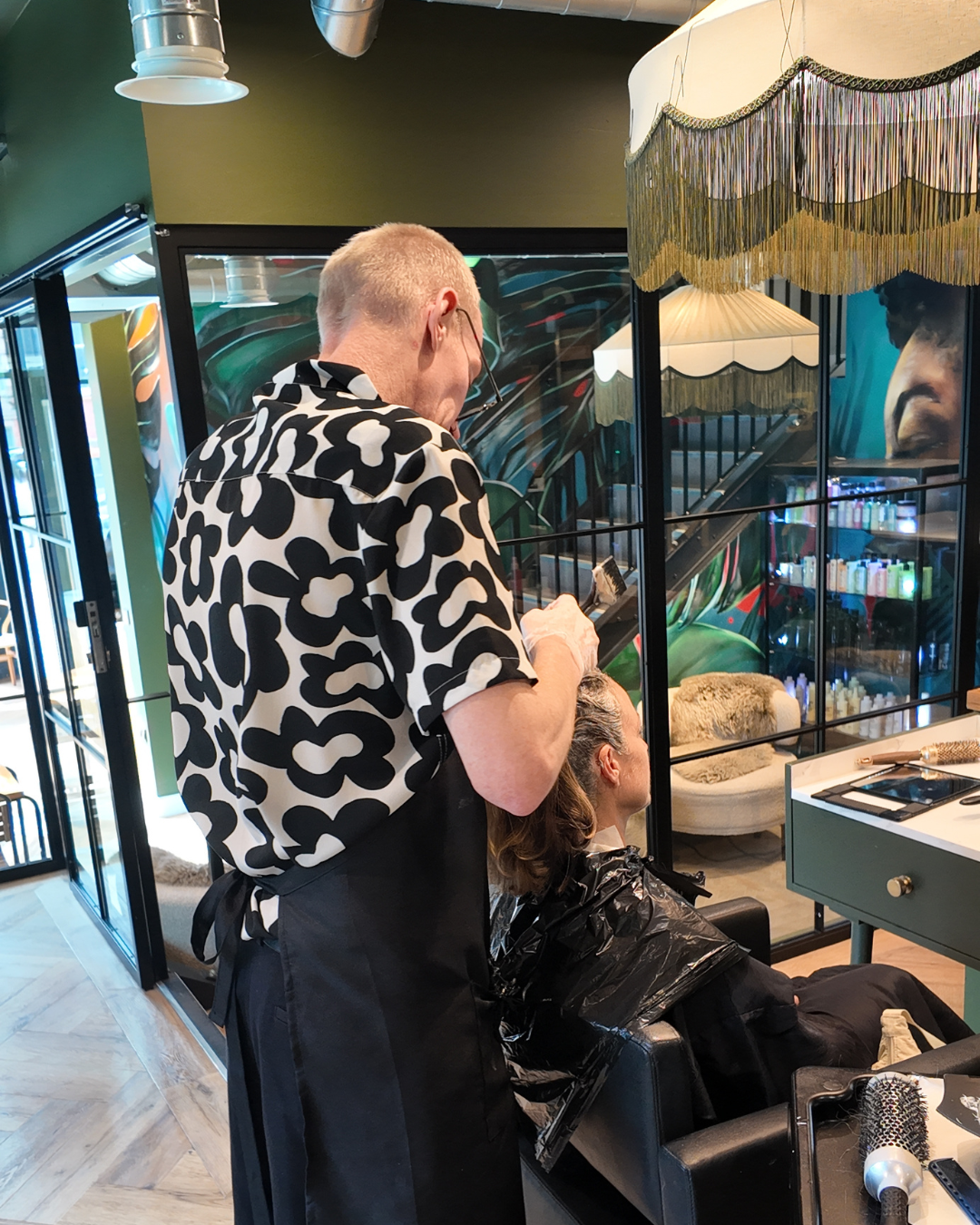
Why choose David Rozman for reverse balayage in Manchester
Adding depth back is harder than it looks. Darker colour on porous, highlighted hair can turn flat, muddy or green-tinged if the tone isn’t right, which is why we treat it as precise colour work rather than a quick tint. We use professional colour from Wella Professionals and work to the standards set by the National Hair & Beauty Federation. Whichever technique you choose, our balayage specialists will match the shade to your skin tone and the look you want.
Our guide to low maintenance balayage that grows out naturally explains why painted colour stretches between visits, and our tips on keeping your colour fresh help either option last. If you’re also thinking about a warmer shade for the colder months, our autumn and winter hair plan is worth a read. See real colour results in our lookbook and read what clients say on our reviews page.
Frequently Asked Questions
Are lowlights and reverse balayage the same thing?
No. Both add darker tones, but lowlights are woven into foils from the root in an even pattern, while reverse balayage is painted by hand and blended down the hair. Reverse balayage usually gives a softer, more lived-in finish.
Which is better for short hair, lowlights or reverse balayage?
Lowlights are usually the better choice for bobs and crops, as there is less length for a painted blend to show. We look at your cut at the consultation and suggest the option that suits it.
Can lowlights and reverse balayage be combined?
Yes. Some clients have a few fine lowlights near the root for even depth and a painted blend through the lengths for softness. We decide the mix at your consultation, based on your hair history and the result you want.
Book your reverse balayage in Manchester today
Not sure which suits you? Get in touch to book your appointment and we’ll talk through both options at your consultation. You can also meet our Manchester hairdressers or explore our creative colouring options before you visit.
SEO & blogs by signal